

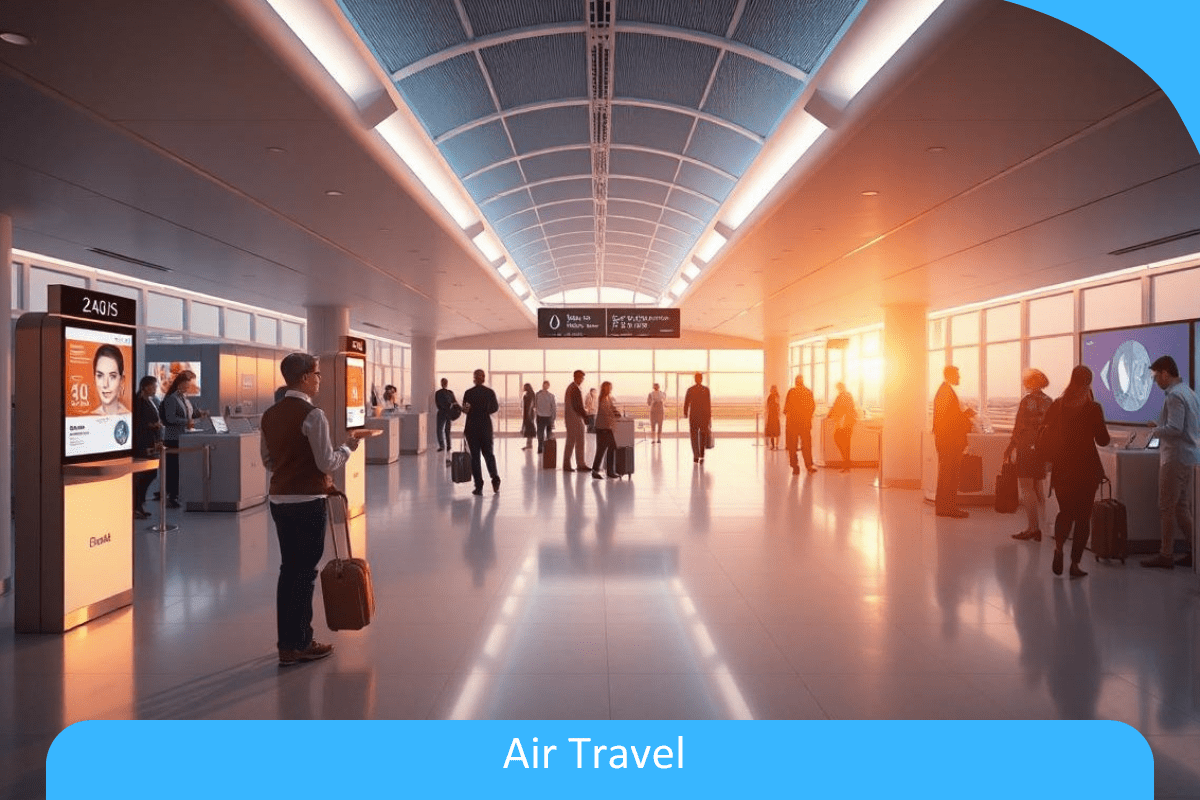
Air travel has never been just about getting from one place to another. Behind every takeoff and landing, there are powerful shifts happening inside the aviation world, quiet changes in technology, passenger expectations, and sustainability strategies that are transforming the way people travel across the globe. What used to be a simple flight experience is now evolving into something smarter, faster, and far more connected.
Today, many of these transformations fall under what experts call air travel trends, a wave of innovation that is redefining how flights operate, how passengers interact with airports, and how airlines design the future of global mobility. If you travel often, or even occasionally, it’s worth paying attention to these changes because they shape everything from ticket prices to comfort, airport efficiency, and even the environmental impact of flying.
New Innovations in Airline Technology
Technology is quietly becoming the backbone of modern aviation. Airlines and airports are investing heavily in intelligent systems designed to improve safety, reduce delays, and make travel smoother for millions of passengers every day.
In fact, many of these developments are part of broader airline industry trends that aim to modernize global flight operations. From artificial intelligence in the cockpit to automated airport systems, the aviation sector is entering one of the most technologically advanced periods in its history.
AI Powered Flight Management
Artificial intelligence is rapidly becoming one of the most influential tools in aviation. Airlines now use AI-driven platforms to analyze weather conditions, air traffic patterns, fuel consumption, and aircraft performance in real time.
These intelligent systems help pilots and flight control teams choose the most efficient flight paths, reducing delays and optimizing fuel use. The result is not only smoother travel for passengers but also significant cost savings for airlines.
Aviation analyst John Strickland once explained that modern airline technology is moving toward “a predictive aviation ecosystem where data anticipates problems before passengers even notice them.” This shift highlights how AI is transforming flight management into a highly adaptive system that constantly adjusts to changing conditions.
Biometric Airport Security Systems
Another innovation transforming air travel is biometric identification. Instead of repeatedly showing passports or boarding passes, travelers in many modern airports can now move through checkpoints using facial recognition or fingerprint scans.
Biometric security systems speed up passenger processing while maintaining strong security standards. For frequent travelers, this means shorter lines and faster boarding procedures.
Airports across Asia, Europe, and North America are already testing seamless biometric corridors where a passenger’s face becomes the boarding pass. The process feels almost invisible, yet it dramatically improves efficiency across busy terminals.
Smart Baggage Tracking Systems
Few travel frustrations compare to lost luggage. Fortunately, airlines are now introducing smarter baggage tracking technologies designed to solve this long-standing problem.
Using RFID tags and mobile tracking apps, passengers can follow the exact location of their bags from check-in to arrival. Some airlines even provide real-time updates through mobile notifications.
This innovation not only improves customer satisfaction but also reduces operational mistakes for airlines. As these systems expand globally, the chances of permanently lost luggage continue to decline.
Passenger Experience Getting Smarter
Beyond technology in the cockpit, airlines are focusing heavily on improving the overall passenger experience. Travelers today expect comfort, personalization, and seamless digital services, and airlines are responding quickly to meet those expectations.
From the moment a passenger books a ticket until they reach their destination hotel or resort, the journey is becoming increasingly connected and personalized.
Personalized Inflight Entertainment
Inflight entertainment systems have evolved dramatically in the past decade. Instead of limited movie selections, passengers now access fully personalized entertainment platforms tailored to individual preferences.
Some airlines allow travelers to sync personal devices directly with seatback screens. Others use travel data to recommend movies, shows, or music based on previous flights.
This personalization transforms long flights into more enjoyable experiences, especially for travelers heading to far-away destinations or extended vacations.
Comfortable Cabin Design Upgrades
Cabin design is also changing quickly. Airlines are redesigning aircraft interiors to reduce passenger fatigue, particularly on long-haul routes.
Modern cabins now include improved seat ergonomics, quieter engines, advanced lighting systems that mimic natural daylight, and enhanced air circulation technology. These upgrades may seem subtle, but they significantly improve comfort during extended flights.
Aircraft manufacturers such as Airbus and Boeing are increasingly focusing on passenger wellness as part of next-generation aircraft design.
Digital Check In and Boarding
Airport procedures are also becoming far more digital. Mobile check-in apps, self-service kiosks, and automated boarding gates are gradually replacing traditional counter services.
This digital transformation allows passengers to move through airports faster while reducing congestion. Many airlines now integrate digital boarding passes with travel apps that also manage hotel reservations, airport transfers, and itinerary updates.
The result is a smoother journey that begins long before passengers even arrive at the airport.
Sustainability in Aviation Industry
While technology improves efficiency and passenger comfort, sustainability has become one of the aviation industry’s most urgent priorities. As global travel demand increases, airlines must find ways to reduce environmental impact while maintaining operational growth.
The aviation sector is now investing heavily in cleaner fuels, more efficient aircraft, and programs that allow travelers to offset carbon emissions.
Sustainable Aviation Fuel Adoption
One of the most promising solutions is Sustainable Aviation Fuel (SAF). Unlike traditional jet fuel, SAF is produced from renewable sources such as agricultural waste, algae, or recycled oils.
When used in aircraft engines, SAF can significantly reduce lifecycle carbon emissions compared to conventional aviation fuel.
Airlines around the world are gradually increasing their use of SAF as part of long-term sustainability strategies.
Carbon Offset Programs for Passengers
Another growing initiative is passenger carbon offset programs. Many airlines now give travelers the option to compensate for their flight emissions by contributing to environmental projects.
These programs fund activities such as forest restoration, renewable energy development, and wildlife conservation.
Environmental aviation researcher Dr. Andreas Schäfer emphasizes that reducing aviation emissions requires cooperation between airlines, technology innovators, and travelers themselves. According to him, meaningful progress happens when the entire travel ecosystem participates in sustainable practices.
Fuel Efficient Aircraft Design
Aircraft manufacturers are also designing planes that consume significantly less fuel. New aircraft models use lightweight composite materials, improved aerodynamics, and more efficient engines.
These design improvements reduce fuel consumption, lower operating costs, and decrease environmental impact. As older aircraft are gradually replaced by modern models, global aviation efficiency continues to improve.
Stay Ahead with the Latest Air Travel Trends
The aviation world is evolving faster than most travelers realize. From AI-driven flight systems to biometric airports and sustainable fuels, the forces shaping air travel trends are transforming the future of flying.
Understanding these developments allows travelers to make smarter decisions, anticipate smoother journeys, and appreciate the innovation happening behind every flight. The next time you board a plane, remember that modern aviation is no longer just transportation, it’s a rapidly evolving ecosystem designed to connect people, technology, and destinations more efficiently than ever before.
If you enjoy discovering how travel continues to evolve, keep exploring the newest aviation innovations and stay curious about the future of flight.